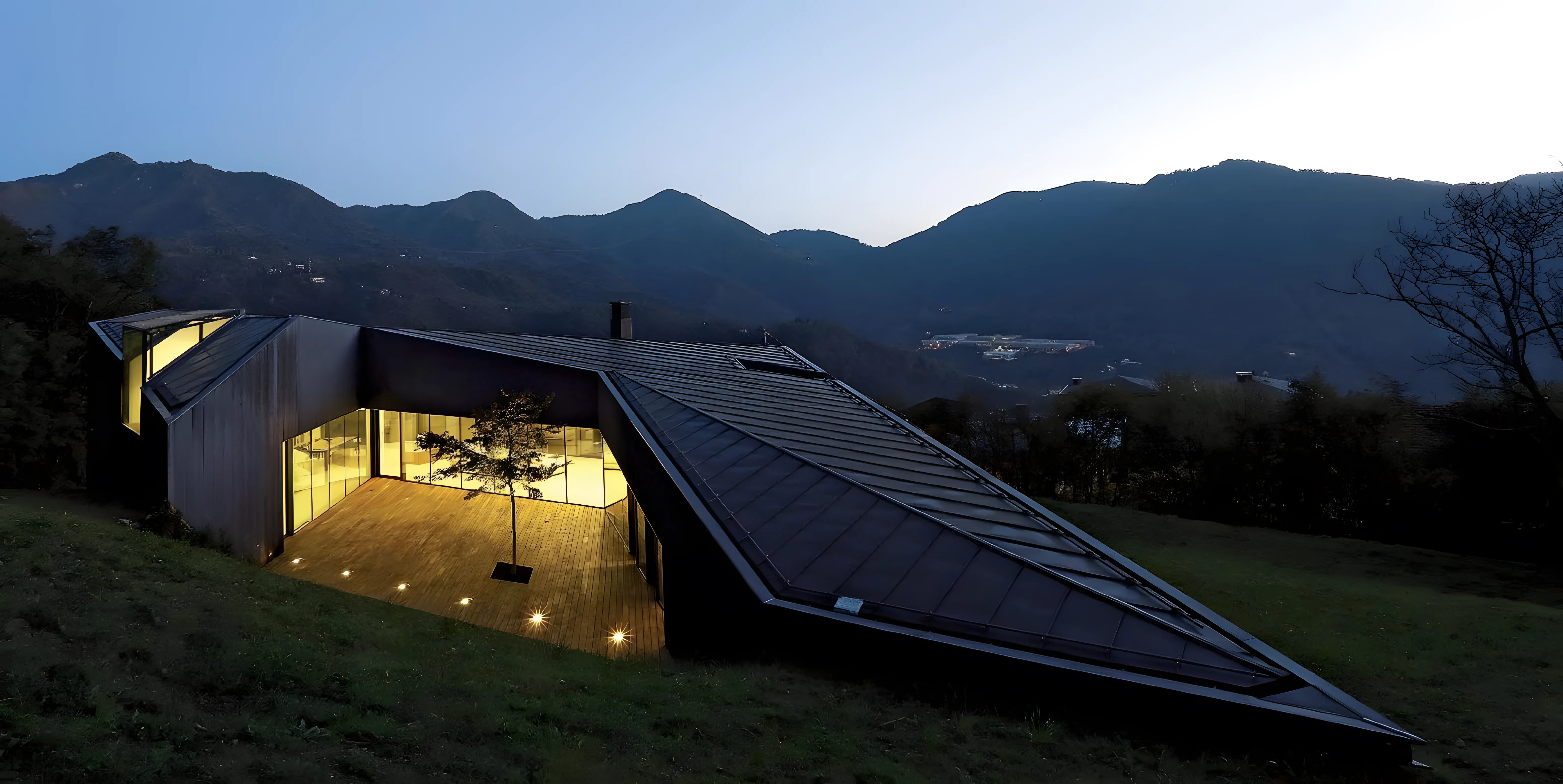
Engineering the Edge: Mastering Slimline Systems in the Pacific’s High-Wind Zones
The Conflict: Architectural Transparency vs. Extreme Nature
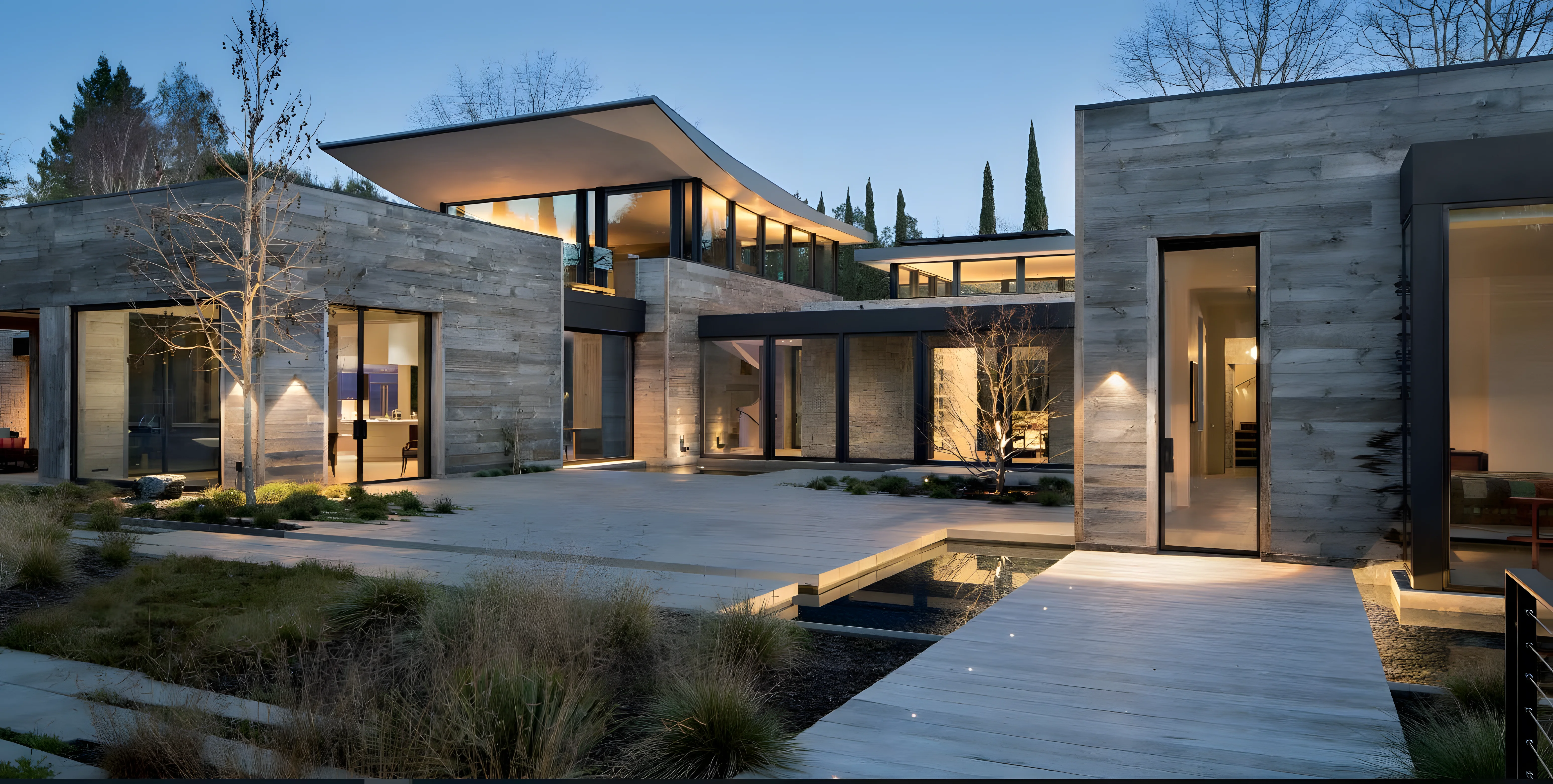
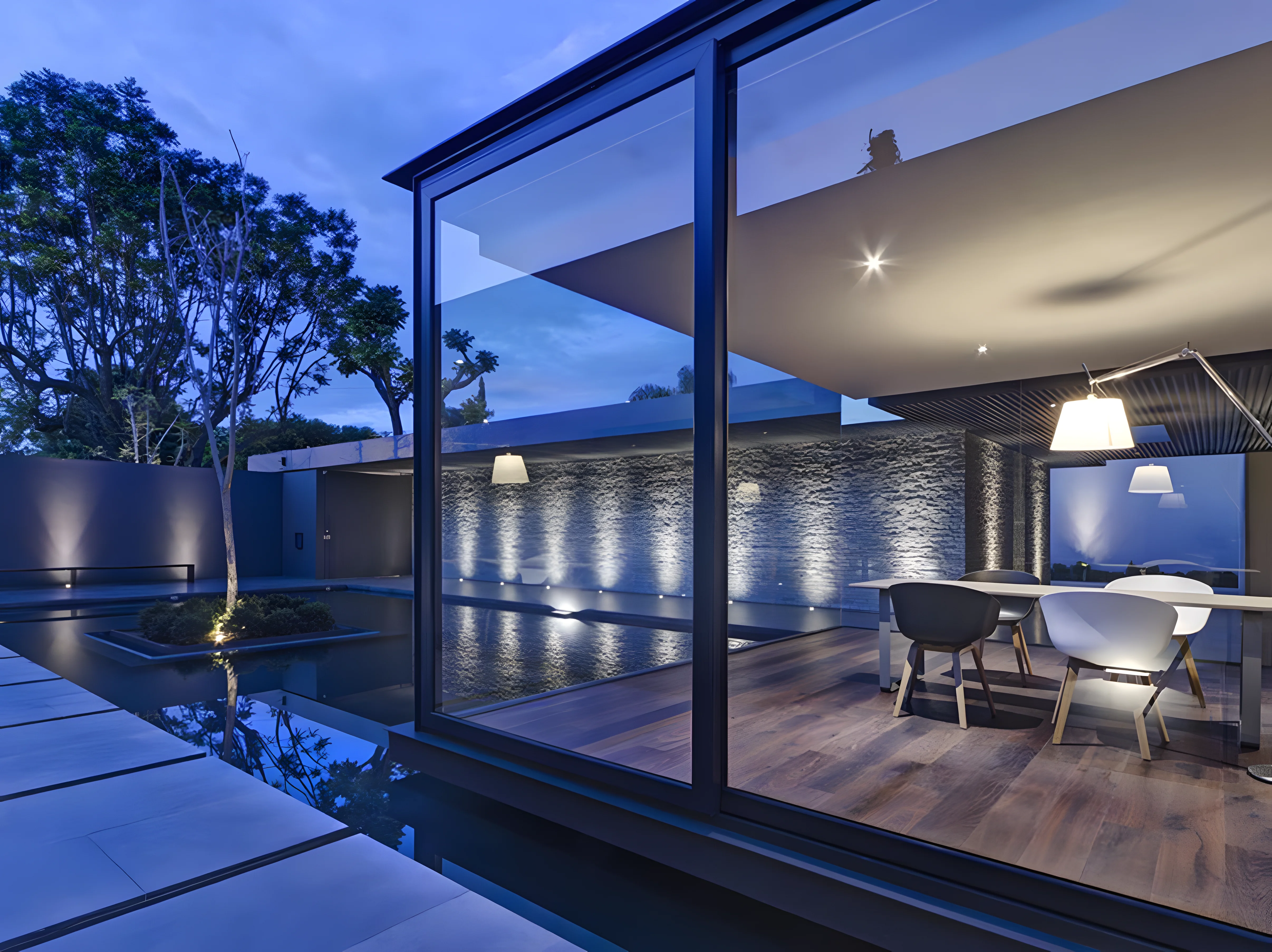
In the coastal architecture of Australia, New Zealand, and the Pacific Islands, transparency is the ultimate luxury. Architects and homeowners demand the "invisible boundary"—ultra-slim sliding doors that dissolve the wall between the sanctuary of the home and the majesty of the ocean.
However, these regions present a violent climatic paradox. In "Extra High Wind Zones," where wind pressures can exceed 2.0kPa and horizontal rain is driven by hurricane-force winds, minimalism often fails. At UltraSlim, we don’t believe in compromising design for safety. Following the logic of our Antarctic research station projects, we have engineered a system that masters the storm without losing the view.
I. Structural Rigidity: Defeating the "L/200" Deflection
A minimalist interlock (mullion) is the weakest point in high wind loads. When a coastal gale hits a large-scale glass panel (5m² or above), the structural stress is immense. If the interlock is too thin without reinforcement, it deflects. This leads to air whistling, water ingress, or catastrophic failure.
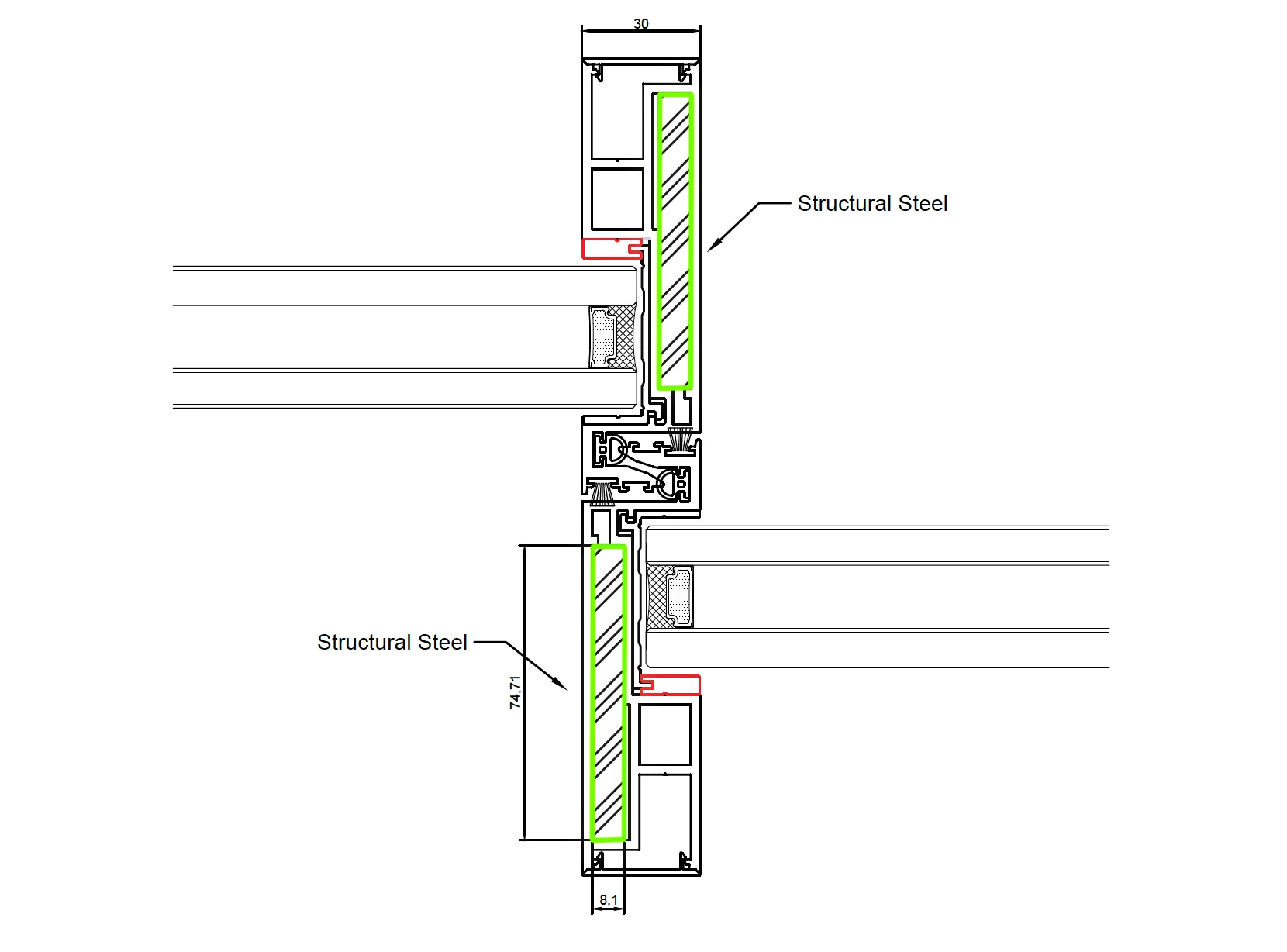
To maintain a razor-thin 20mm sightline in a ULS (Ultimate Limit State) environment, we utilize our technology.
- The Logic:
We insert a precision-engineered steel "spine" inside the aluminum profile.
- The Result:
This provides a Moment of Inertia that far exceeds standard aluminum. We achieve structural rigidity that keeps deflection within strict architectural limits, even when the wind force is high enough to rattle the foundation of the building.
II. Advanced Fluid Dynamics: Managing 400Pa+ Watertightness
In a Pacific storm, water isn't just falling; it’s being pushed horizontally by air pressure. Capillary action forces this water through the seals and into the interior track.
Borrowing from our high-performance thermal barrier research, we’ve reimagined the seal.
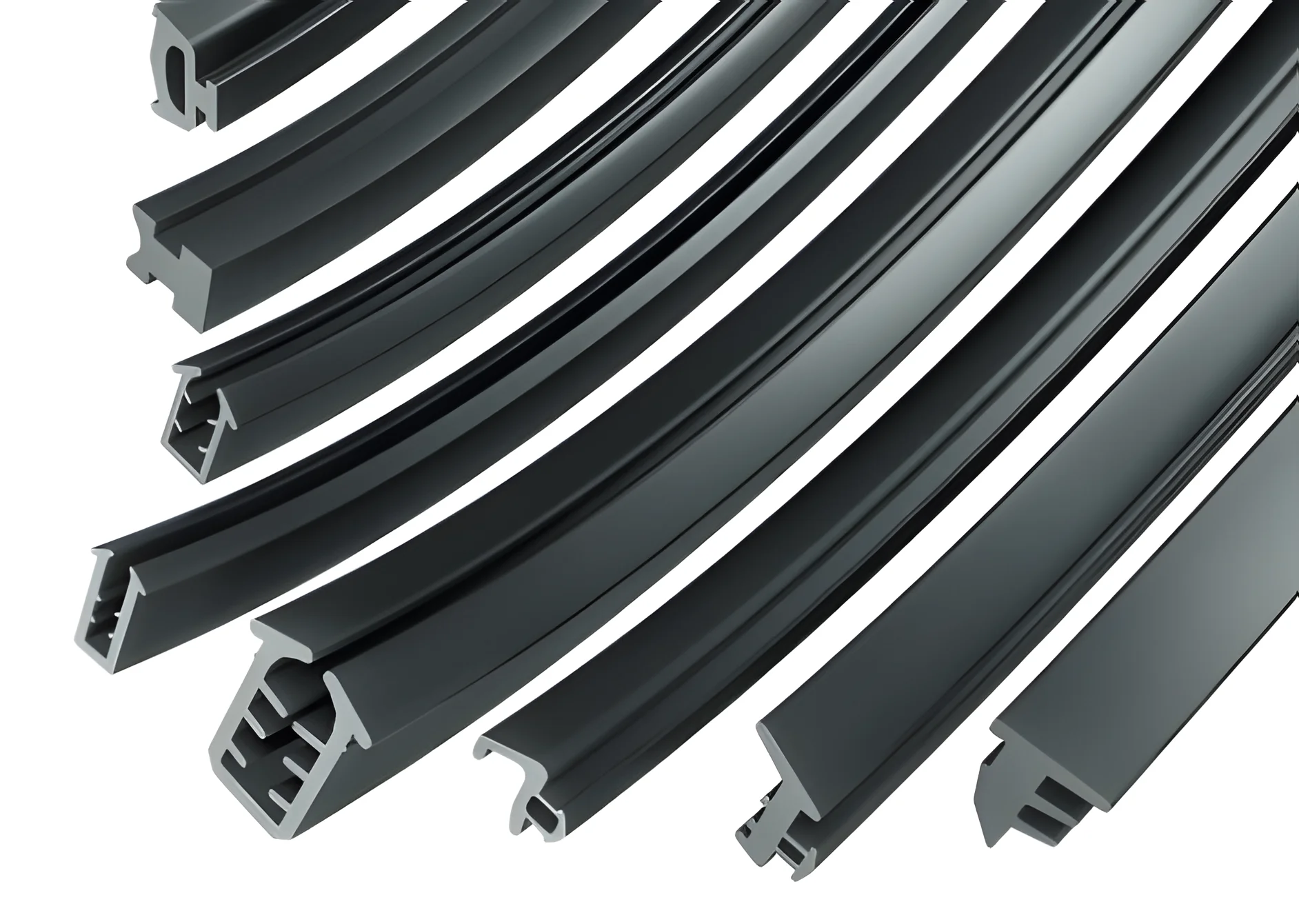
We’ve replaced traditional wool with continuous gaskets coated in a specialized low-friction polymer. This ensures a 100% airtight seal that still slides with a single finger.
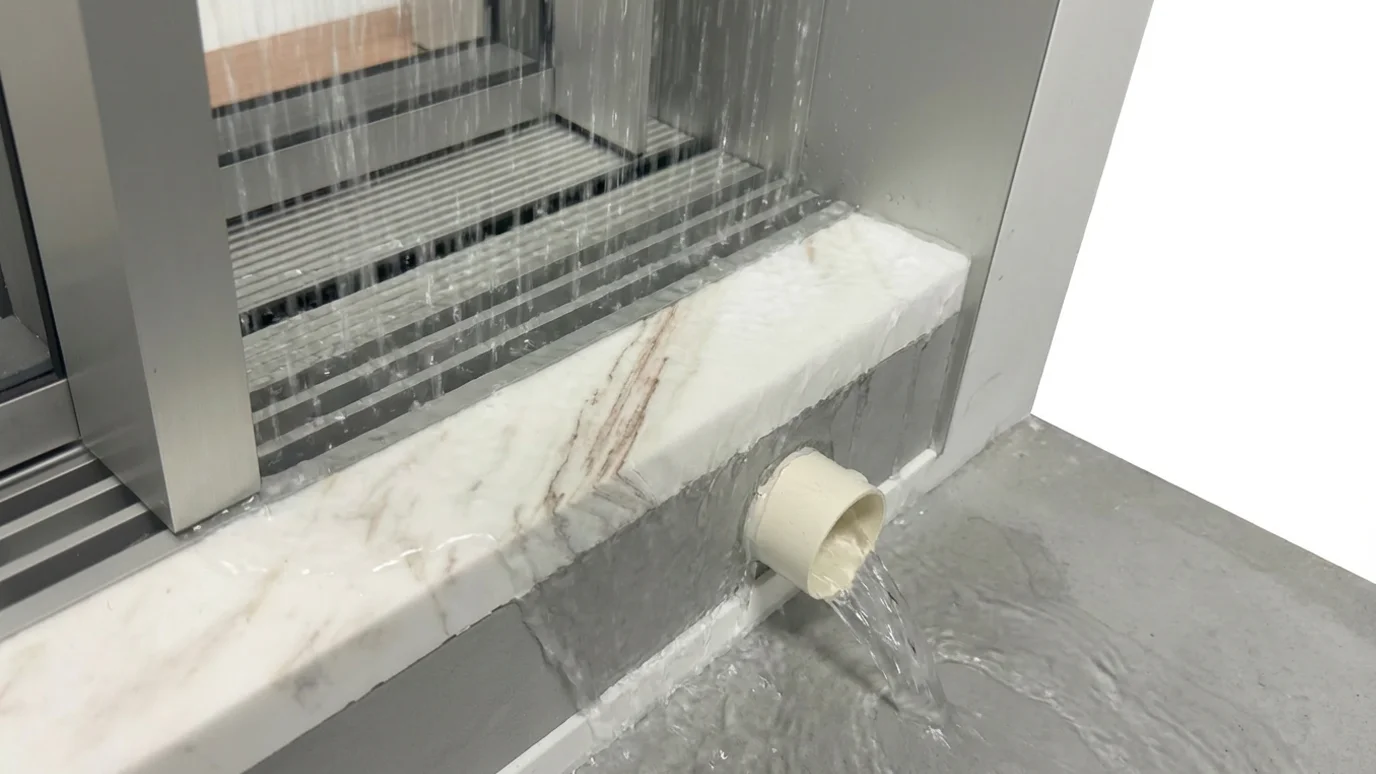
Our drainage sub-frames are designed to equalize the pressure between the internal cavity and the exterior. Water is discharged via gravity, preventing "blow-back" where wind pressure forces water uphill and into the house.
III. Engineered Justification: The AS2047 Standard
Aesthetics are subjective; safety is quantifiable. Especially in the Australia and New Zealand Building Consent environment, an "invisible" frame must have "visible" proof of performance.
We don’t settle for generic lab tests. For every high-stakes coastal project, we provide site-specific AS2047 and NZS 4211 structural calculations.
- Site-Specific Simulation:
We calculate building height, terrain category, and specific opening sizes.
- Physical Integrity:
From our 400kg-rated precision rollers to our multi-point locking mechanisms, every component is a product of "Extreme Engineering"—ensuring that the peace of mind inside is as clear as the view outside.
Conclusion: The Foundation of Minimalism
True minimalism is the extreme compression of material science. By obsessing over the invisible engineering of steel cores and pressure valves, we allow the visible architecture to remain pure. Whether it is the frozen plains of Antarctica or the wind-swept cliffs of New Zealand, UltraSlim remains the engineering edge.
[Experience the The next generation in minimalist Sliding Doors: The Slimline Series] [Unlock Innovative Solutions for Modern Architecture] [Discover Our Global Cases]