Ordos Ejin Horo Airport | The Crystalline Yurta
Reinventing the vernacular for extreme climates.
Project Snapshot
- Location: Ordos City, Inner Mongolia
- Architect: China Architectural Design & Research Group (CADG)
- Function: International Airport Terminal
- The Challenge: Creating a fully transparent glass envelope in a region with one of the wildest temperature swings on the planet.
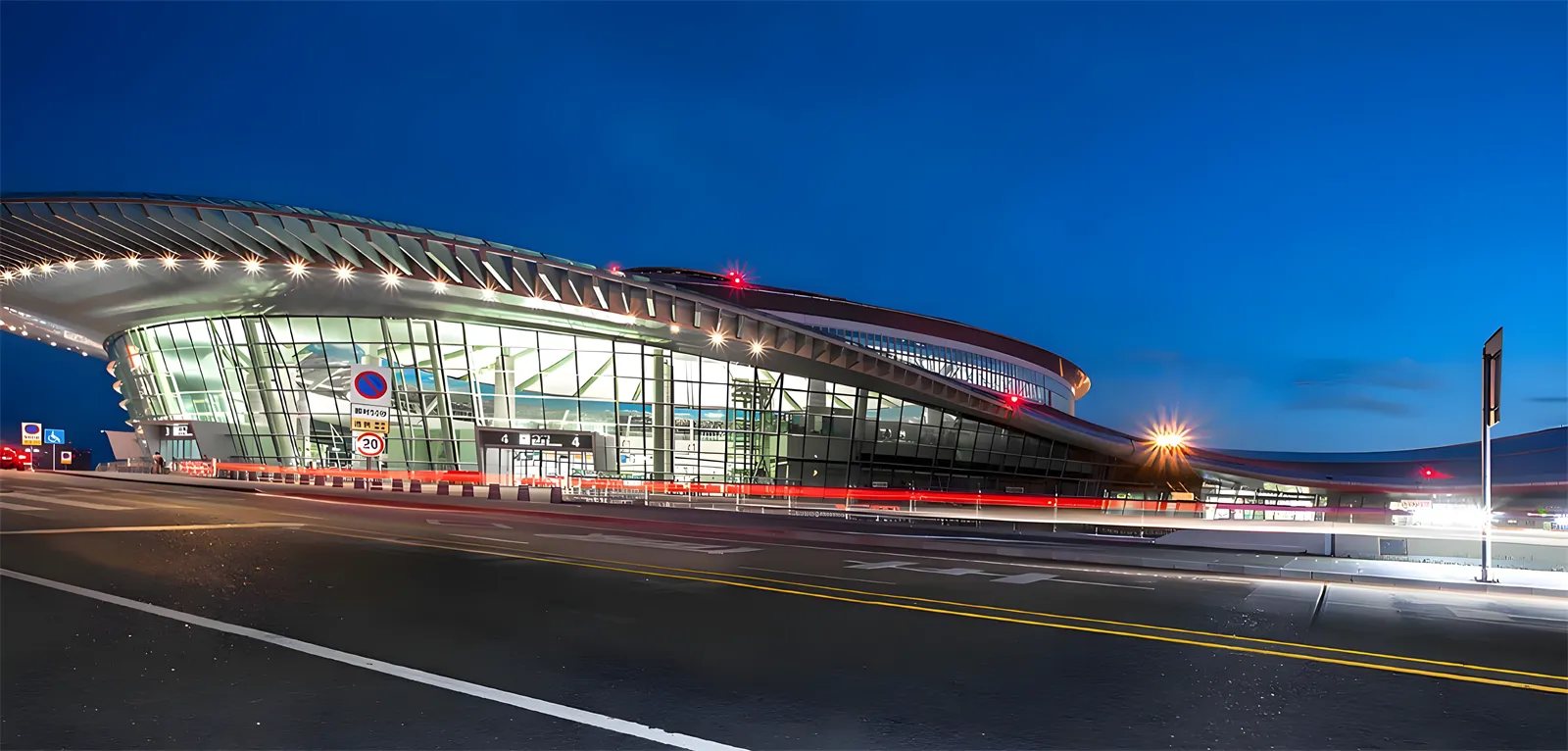
The Architectural Intent | A Modern Nomadism
The Yurt is an architectural archetype—famous for being opaque, enclosed, and defensively built against the harsh Mongolian steppe. For the Ordos Airport, CADG sought to invert this tradition. The vision was to maintain the iconic, spiritual form of the Yurt but strip away its opacity. They designed a spectacular cluster of 108-meter wide domes, intended not to shelter travelers from the sky, but to connect them to it. The goal was a terminal that felt less like a building and more like an open extension of the landscape.
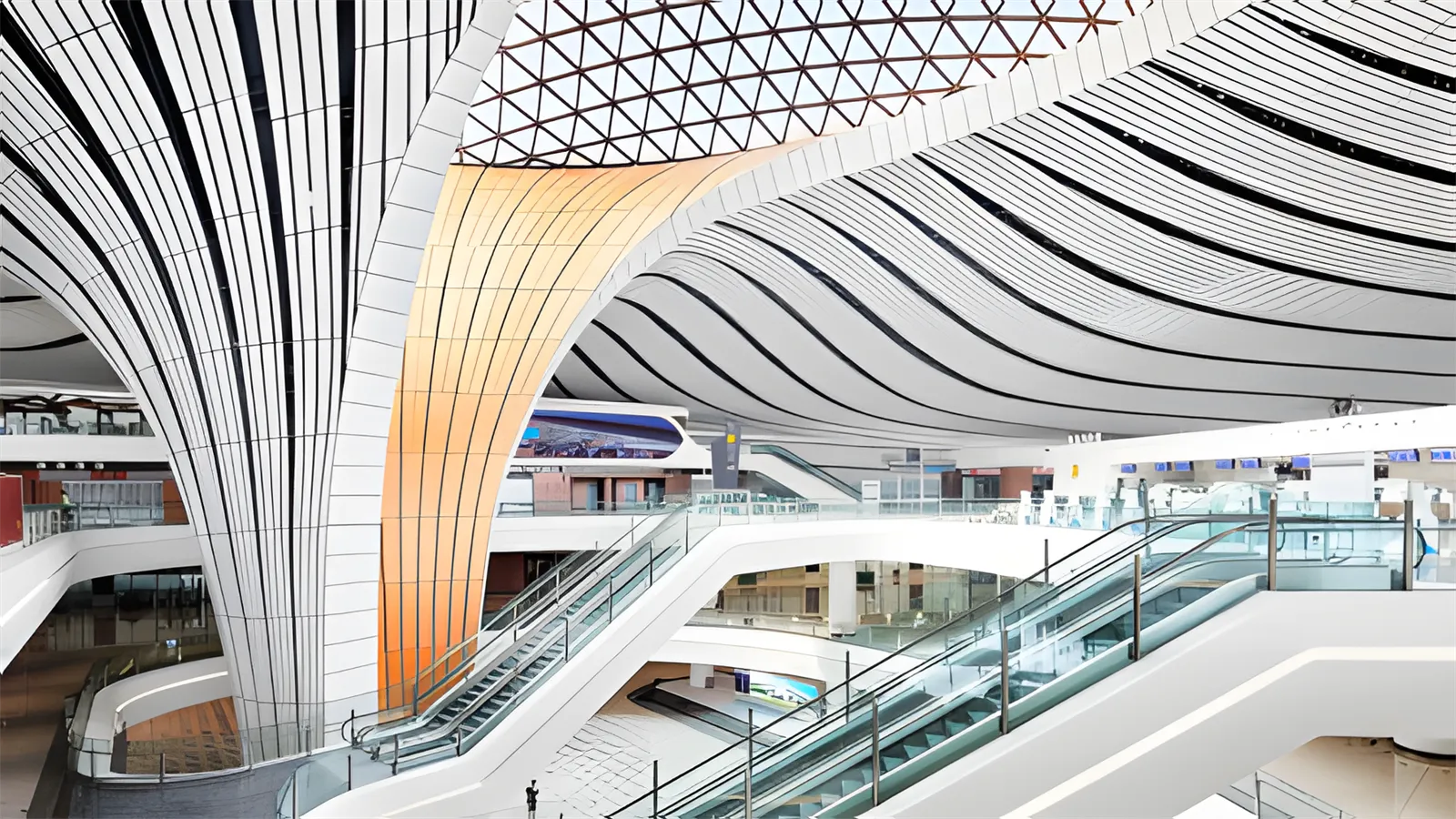
The Challenge | The Thermal Paradox
A glass dome of this magnitude presents a critical engineering risk: The Greenhouse Effect.
In a standard building, a glass roof acts as a magnifying lens. In the brutal Ordos summer, it amplifies solar gain, making the interior unbearable. In the freezing steppe winter, it acts as a thermal bridge, rapidly dissipating heat. The challenge was to create a massive transparent volume that would not become an energy disaster. The design required a glazing solution that could act as a transparent insulator.
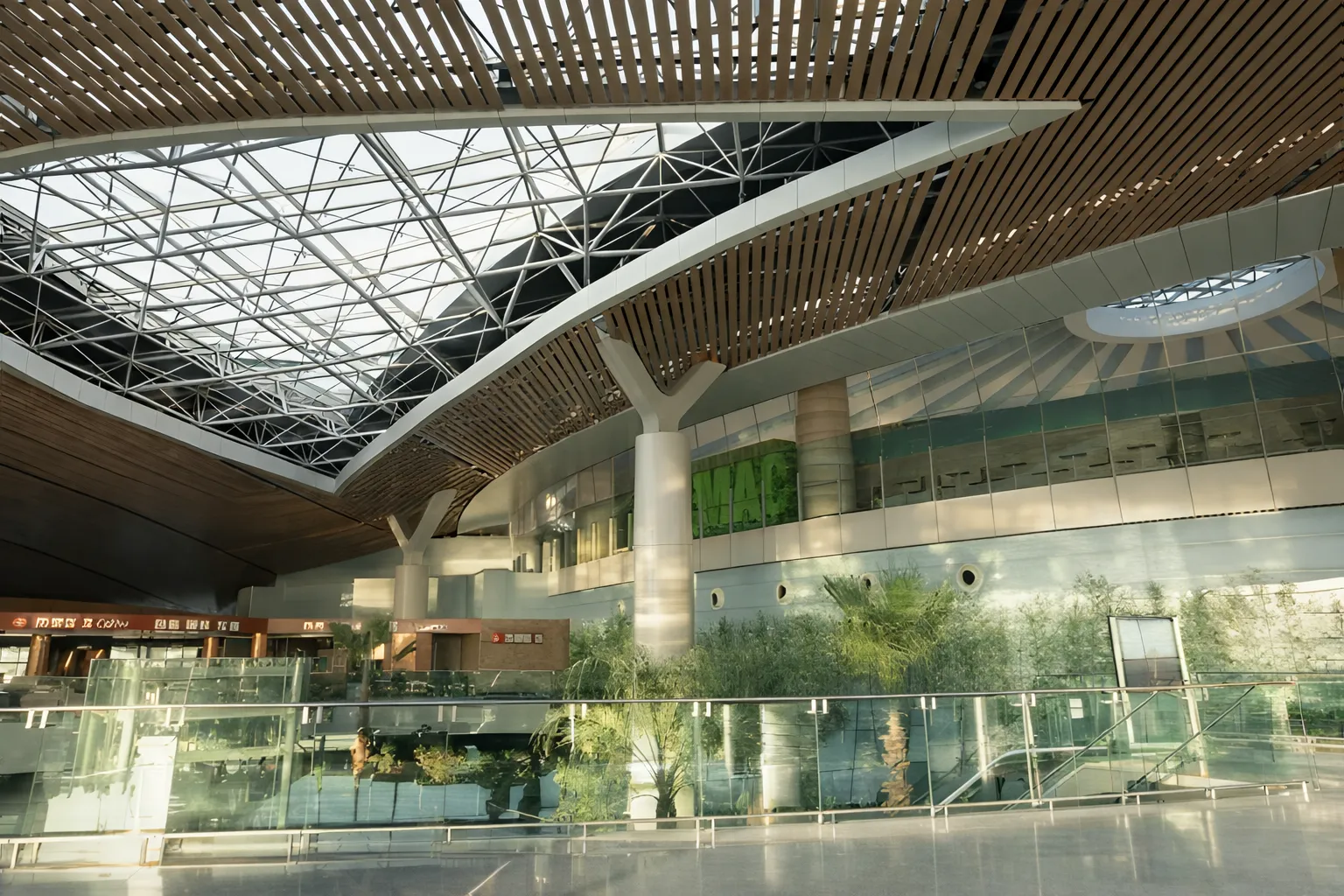
The UltraSlim Solution | Intelligent Filtration
We did not solve this by reducing the window size. We solved it by making the glass smarter.
- Selective Permeability: We utilized advanced High-Performance Low-E Glazing paired with strategic shading coefficients. The glass is engineered to be spectrally selective—it invites visible light in (transparency) while blocking the invisible infrared spectrum (heat).
- Thermal Breaks at Scale: To combat the sub-zero winters, the framing system features reinforced thermal breaks that sever the path of heat transfer. The result is a glass envelope that performs with the insulation properties of a solid wall.
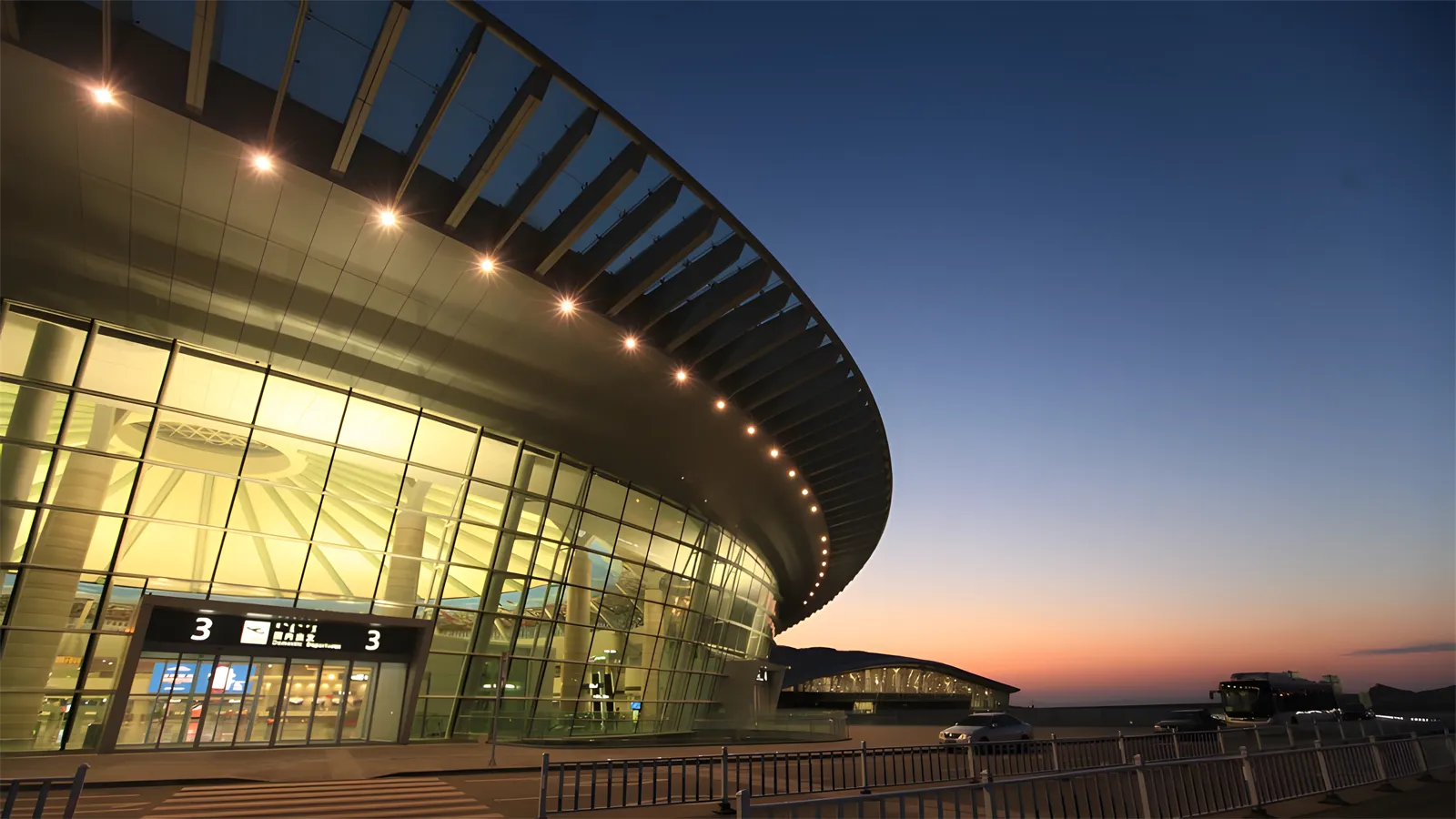
Performance at Any Scale
The Ordos Airport serves as the ultimate proving ground for our technology.
By successfully regulating the internal climate of a massive glass dome in the Gobi Desert, we validated a core truth: Transparency does not require compromise. If our engineering can maintain comfort in the extreme climate of Inner Mongolia, it proves that "too much glass" is a myth. Whether for a monumental airport or a private residence, the right technology allows you to embrace the view without fearing the weather.